Prototypes & functional samples
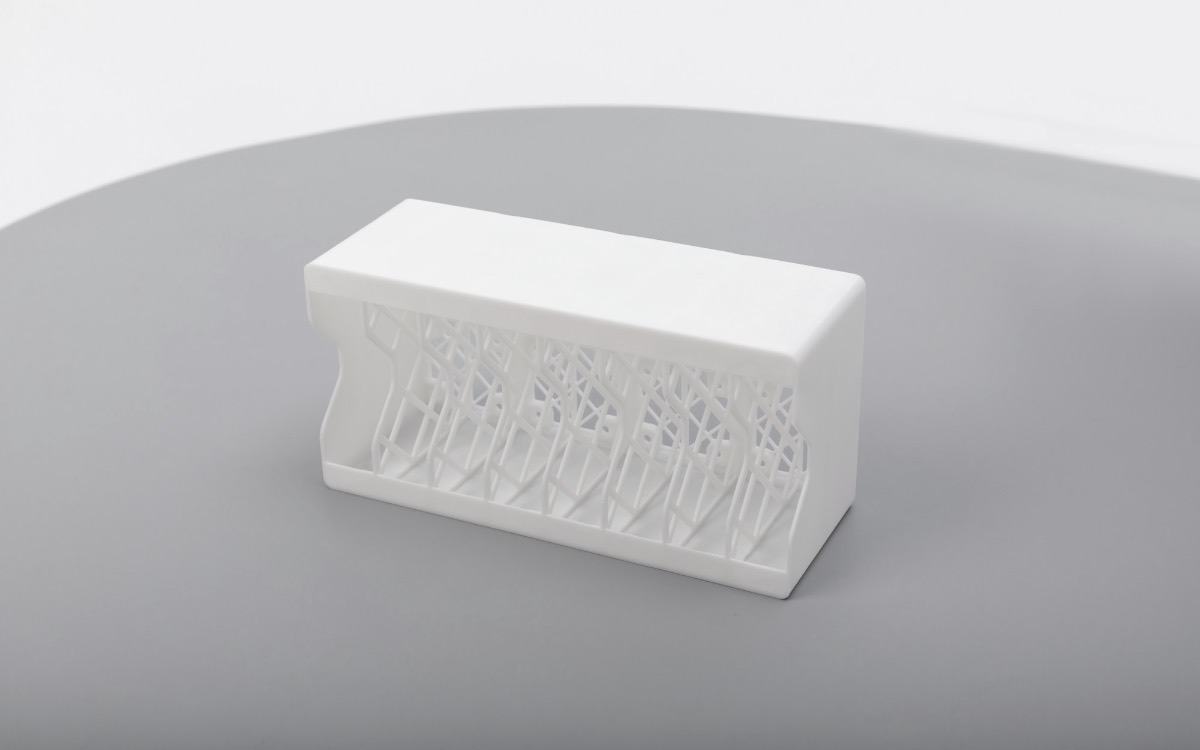
Samples you can hold, for development, testing and presentations.
Details →When an injection mould doesn't pay off: FV 3D-Manufaktur in Munich, Germany, makes approved plastic parts as a small batch by 3D printing, without tooling costs and to a consistent standard. A sample is approved before production, and parts can be numbered or branded by laser.
Updated:
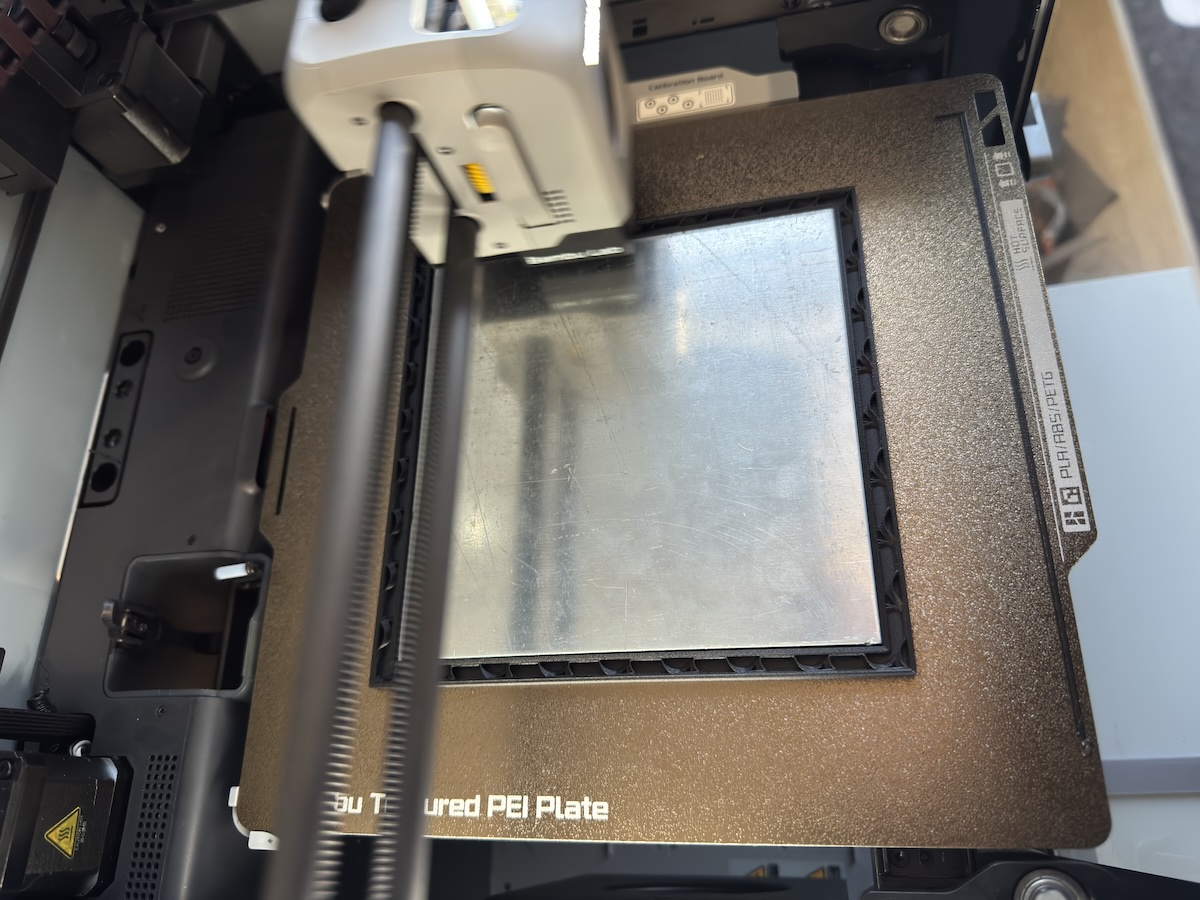
For small quantities, for parts that may still change, and when there is no time to wait for a tool. As no mould is built, there are no mould costs, and changes go straight into the next batch. For quantities in the thousands, injection moulding is usually more economical.
For orientation, without prices. For metal parts or quantities in the thousands, another manufacturer is the right choice.
| Criterion | 3D printing (FDM) | Injection moulding | CNC milling |
|---|---|---|---|
| Tooling costs | None | High, a mould is built | None |
| Sensible quantity | 1 to small batch | Several thousand and up | One-offs to medium series |
| Changes | Any time, no mould costs | Costly, the mould must be changed | Easy, new program |
| Materials | Thermoplastics, including carbon fibre reinforced | Almost all thermoplastics | Metals and plastics |
| At FV | Yes | No | No |
Production follows the approved sample, with the same material and the same settings for the whole batch. Reorders are made from the stored model.
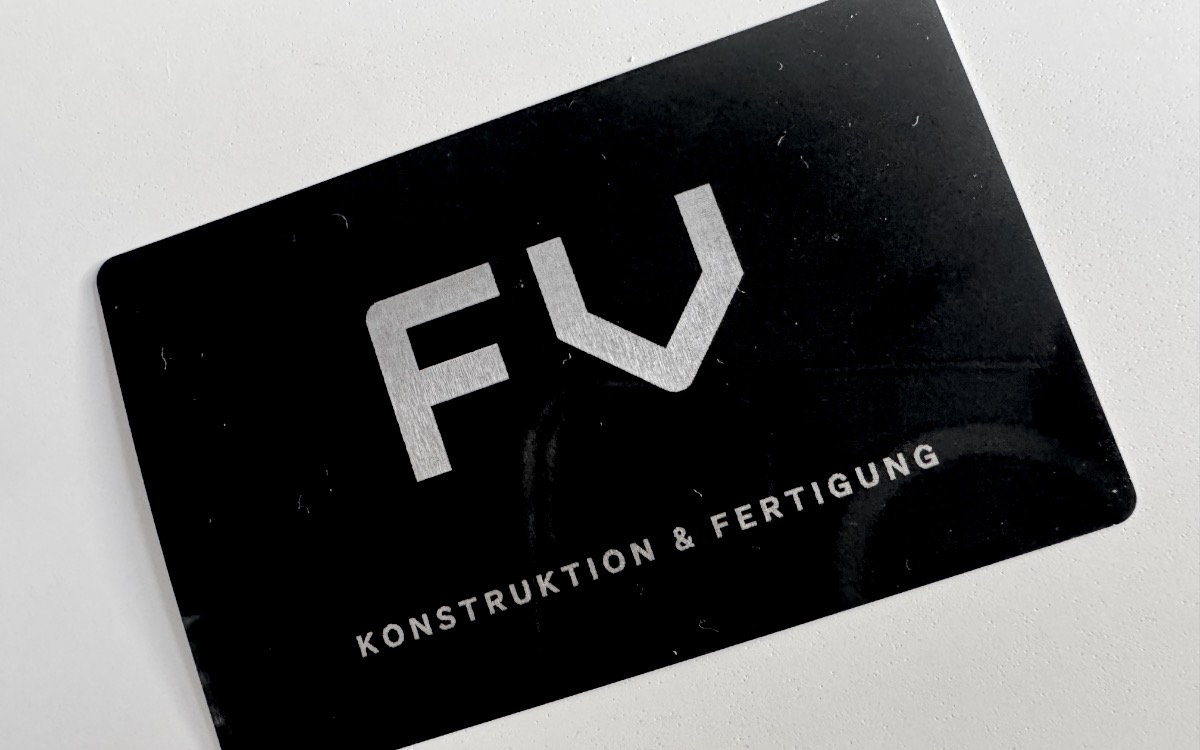
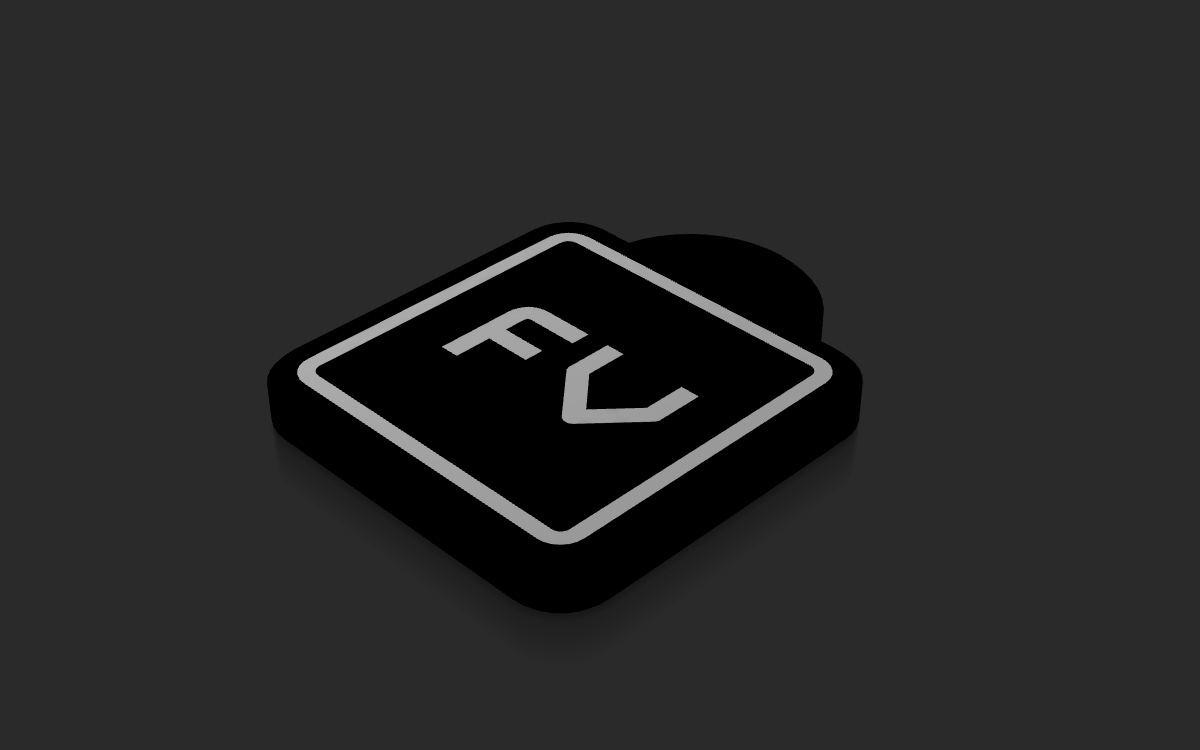
Parts in a batch can be numbered, branded or given individual names by laser. More under promotional items and corporate gifts.
Production starts at one piece. A small batch here means several identical parts, up to the quantity where an injection mould pays off.
Usually yes, because the design is done once and spread over more parts. Design and production are priced separately.
Yes. The approved model is kept, and reorders are made without a new design.
Samples you can hold, for development, testing and presentations.
Details →